If you are planning to buy a wall printer, one of the first practical questions is simple:
How many people does it actually take to operate one?
For most standard wall-printing jobs, one trained operator is enough to handle the machine from setup through printing and basic cleanup.
You do not normally need a two-person printing crew.
A second person becomes useful when the job involves heavier equipment handling, difficult access, tall walls, multiple wall sections, outdoor work, or a tight completion deadline.
So the practical answer is:
Job Type | Recommended Crew |
|---|---|
Standard indoor wall printing | 1 operator |
Small residential or commercial mural | 1 operator |
Large or multi-section wall | 1 operator + 1 helper |
Difficult machine transport or positioning | 2 people during setup |
Tall wall with lift or scaffolding | 2+ people |
Large commercial project with a tight deadline | 2 people |
The important distinction is that operating the printer and handling the entire job site are not always the same thing.
In many cases, one person operates the printer while a second person only helps with setup, preparation, moving equipment, or speeding up the overall project.
What Can One Wall Printer Operator Handle Alone?
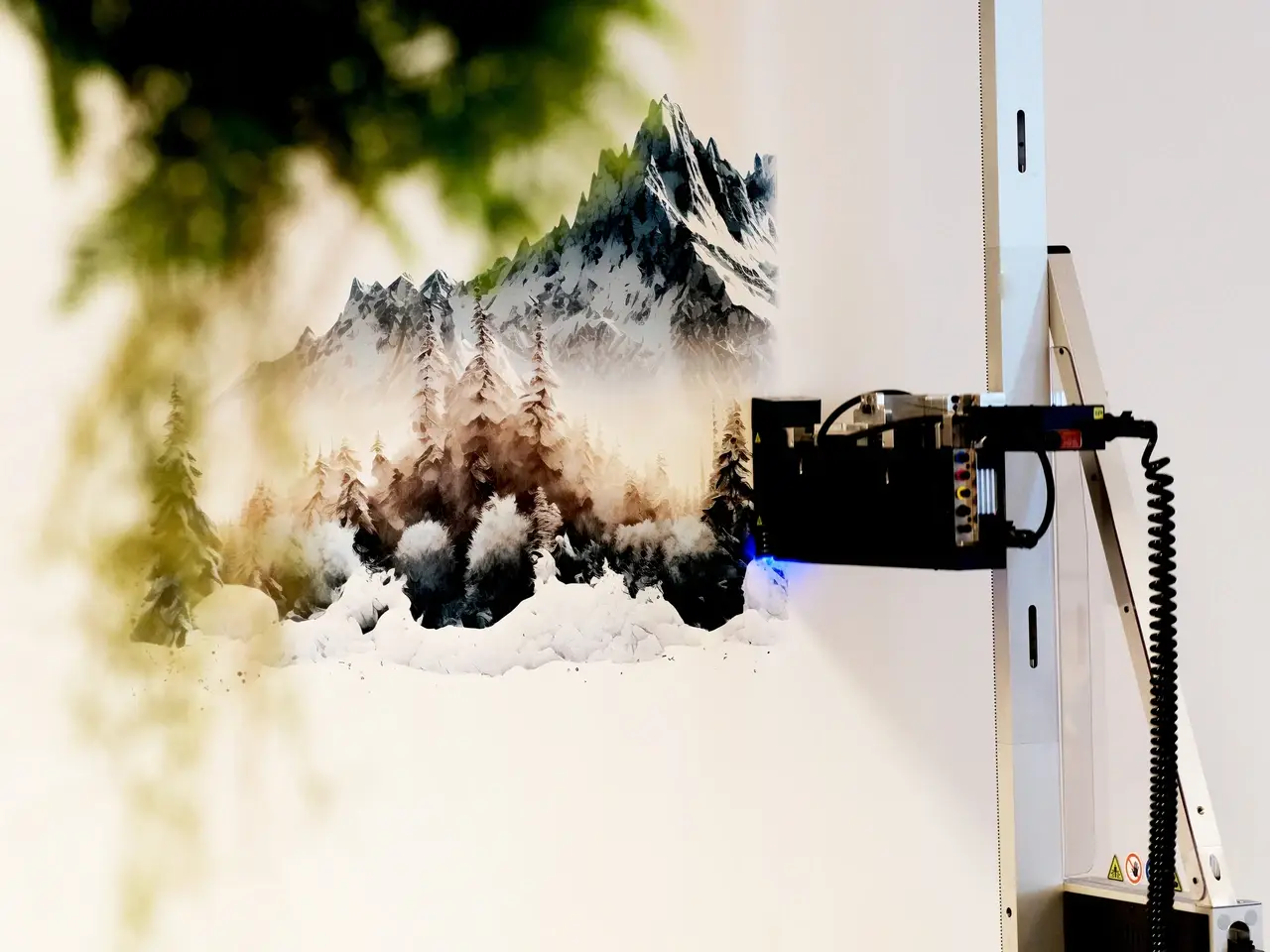
A modern wall printing machine is designed to automate most of the actual printing process.
Once an operator understands the equipment and software, one person can normally handle the main workflow.
Before Printing
The operator can inspect the wall, measure the printing area, prepare the artwork, load the file into the RIP or control software, position the machine, and complete alignment and calibration.
Surface preparation may also be handled by the same person when the wall only requires basic cleaning or masking.
If the wall needs extensive patching, sanding, priming, or repair, it may make more sense to prepare the surface before bringing the printer to the site.
During Printing
Once the machine is positioned and calibrated, the operator mainly monitors the printing process.
Typical responsibilities include checking alignment, monitoring ink and print quality, making sure the machine maintains the correct distance from the wall, and responding if the print needs to be paused or adjusted.
This is one reason a modern vertical wall printer can work well for a small business or owner-operator model.
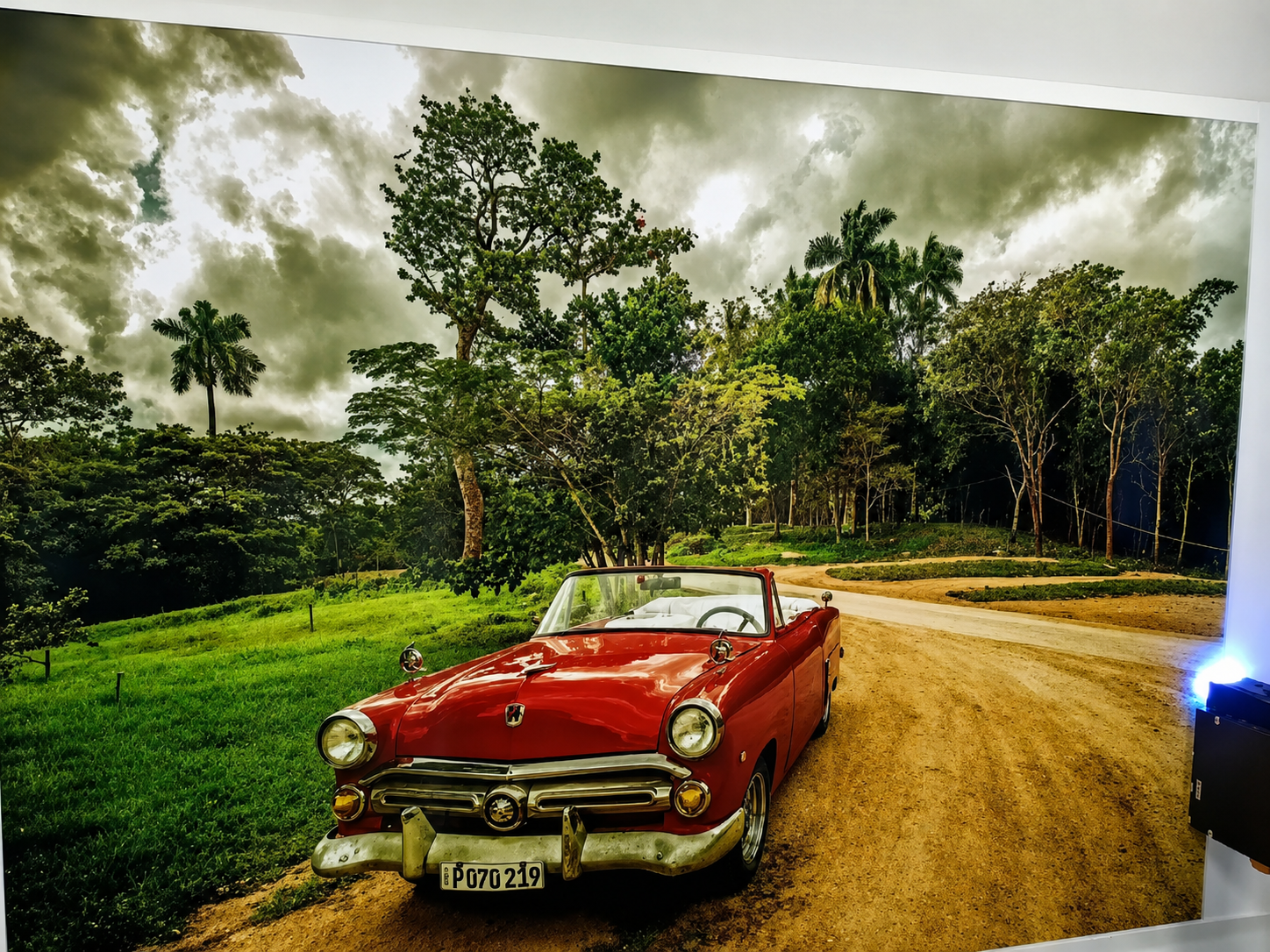
Instead of manually painting every section of a mural, the operator manages the digital file and printing system while the machine performs the repetitive printing movement.
After Printing
The same operator can normally perform final quality checks, clean the printhead area according to the required maintenance procedure, shut down the machine, and pack the equipment for transport.
In other words, you usually do not need separate employees for setup, printing, quality control, and basic maintenance.
For a standard job, these can all be part of one operator's workflow.
When Should You Add a Second Person?
The second person is usually there to improve handling, safety, or speed, rather than because the wall printer itself requires two operators.
There are four situations where having a helper makes the most sense.
Moving and Setting Up the Machine
The first is transportation.
Even when a wall printer is designed for portable onsite work, individual rails, frames, cases, ink systems, and accessories still need to be unloaded and positioned.
If the machine is large, the access route is narrow, or stairs are involved, two people can make load-in and setup much easier.
Before buying a printer, therefore, do not only ask about total machine weight.
Also ask:
What is the heaviest individual component, and can one person realistically move and assemble it?
That question is often more useful than the machine's total weight.
Tall or Difficult Walls
A normal ground-level interior wall is usually a one-person job.
The situation changes when the project involves tall walls, staircases, uneven floors, scaffolding, lifts, exterior façades, or restricted working areas.
For example, an exterior project using a UV wall printer may require additional site preparation or access equipment even though the actual printing process still only needs one operator.
In these situations, the second person supports the site operation rather than controlling the printer.
Large or Multi-Section Projects
A large wall does not automatically mean you need more operators.
If the surface is flat and easily accessible, one person can continue printing for a longer period.
But a second person becomes useful when a project includes several walls, repeated repositioning, furniture removal, surface preparation, or multiple print sections.
While one person operates the printer, the helper can prepare the next area, move equipment, inspect completed sections, or handle cleanup.
This reduces downtime between prints.
Tight Commercial Deadlines
For restaurants, retail stores, offices, exhibitions, hotels, and other commercial projects, sometimes the biggest reason to use two people is simply time.
If a client needs several walls completed before a store opens the next morning, using one operator for everything may create unnecessary delays.
A two-person team allows preparation and printing tasks to overlap.
This is especially useful when producing detailed decorative work with a 3D wall printer or completing multiple installations in the same day.
The machine may still require only one operator, but the project can benefit from two people.
Does the Type of Wall Printer Change How Many People You Need?
Yes, but machine portability and the job site matter more than the printing technology itself.
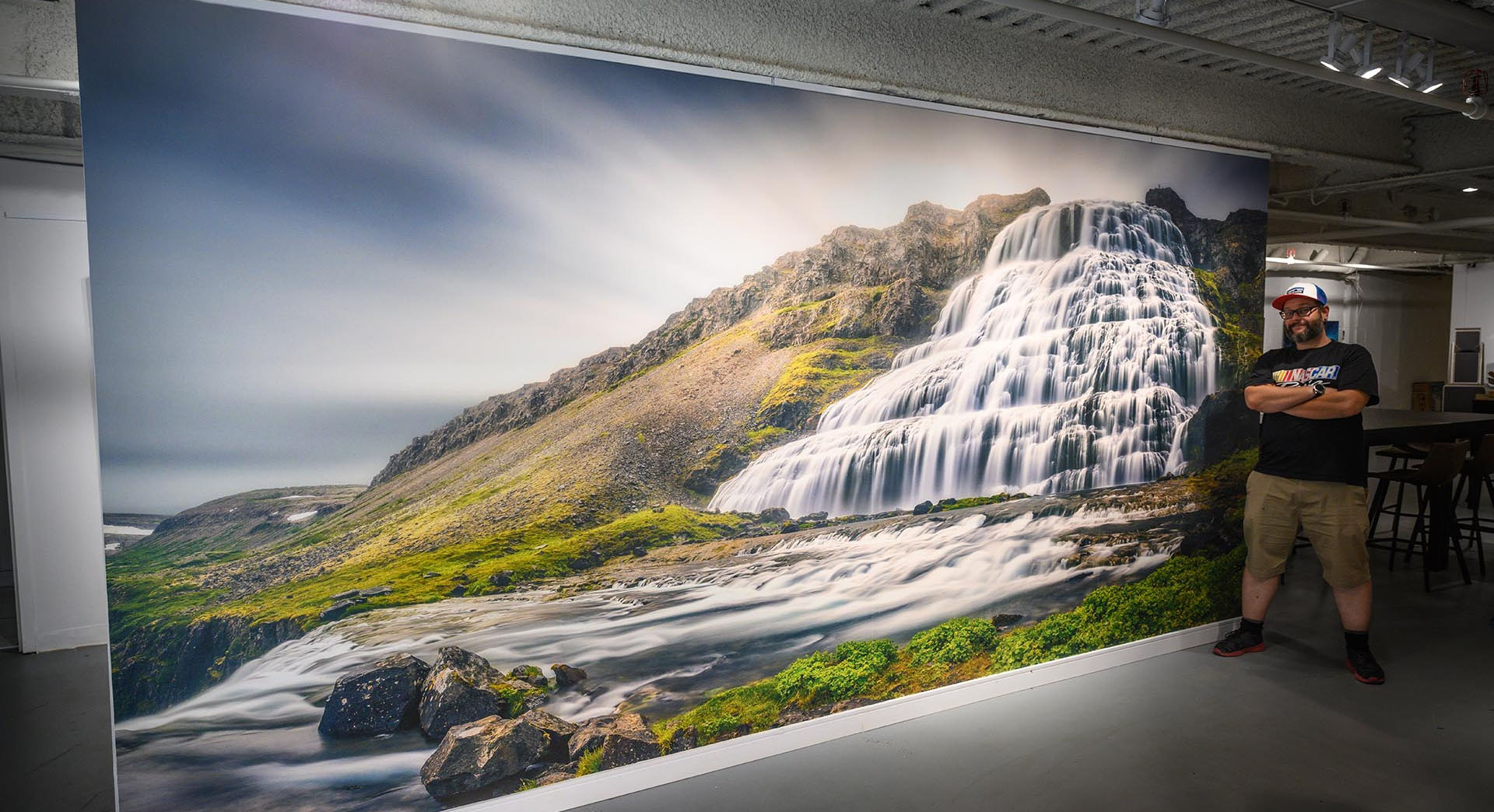
A compact vertical printer designed for indoor murals may be practical for a single operator.
A larger rail system may still be operated by one person once it is installed, but a helper can make unloading, rail assembly, alignment, and packing easier.
Similarly, choosing between standard vertical printing, UV printing, and 3D printing does not automatically change the number of people required to press “print.”
The bigger questions are:
Factor | Effect on Staffing |
|---|---|
Compact, portable machine | Easier for 1 person |
Heavy or awkward components | Helper recommended |
Flat indoor wall | Usually 1 person |
Tall or difficult access | 2+ people may be needed |
Multiple wall sections | Helper improves efficiency |
Extensive surface preparation | Additional help may save time |
Tight completion deadline | 2-person crew is more efficient |
This is why buyers should look beyond print speed and resolution when comparing machines.
A printer that produces excellent output but always requires two people to transport and install may have a very different operating cost from a machine designed around single-person setup.
For a small business, portability can be just as important as printing speed.
What Is the Best Staffing Plan for a New Wall Printing Business?
If you are starting a wall printing business, you usually do not need to hire two full-time printer operators immediately.
The leanest practical setup is:
1 trained owner-operator + access to a part-time helper when needed.
The owner can handle customer communication, measurements, artwork preparation, machine operation, quality control, and routine maintenance.
A helper can be brought in for larger installations, difficult transport, tall-wall projects, or jobs where the schedule makes two people more efficient.
This keeps labor costs low without limiting the types of projects you can accept.
As job volume increases, adding a second trained operator becomes more useful because you can run more jobs, prepare one site while another project is printing, or eventually operate more than one machine.
But the decision to hire should come from job volume and site complexity, not from the assumption that every wall printer needs two people.
Before choosing a machine, ask the supplier five practical questions:
Can one person transport and assemble the main components?
How long does normal setup and calibration take?
Can one operator complete alignment and printing alone?
What training is provided for first-time operators?
Which types of jobs normally require a second person?
These questions will tell you much more about real operating costs than the printer's headline specifications alone.
So, Do You Need One Person or Two?
For most normal indoor wall-printing projects, one trained operator is enough.
You should consider a second person when you need help with transportation, equipment positioning, surface preparation, difficult access, tall walls, multiple printing areas, or tight deadlines.
So you do not need to build a large crew before buying a wall printer.
For many new businesses, the most practical starting model is simply:
One operator for everyday printing, with one helper available when the job requires it.
That gives you a lean operating structure while still allowing you to take on larger and more complicated projects as your business grows.
Looking for a Wall Printer That’s Easy to Operate?
If you want to keep labor requirements low, choose a machine designed for straightforward setup, transport, calibration, and daily operation.