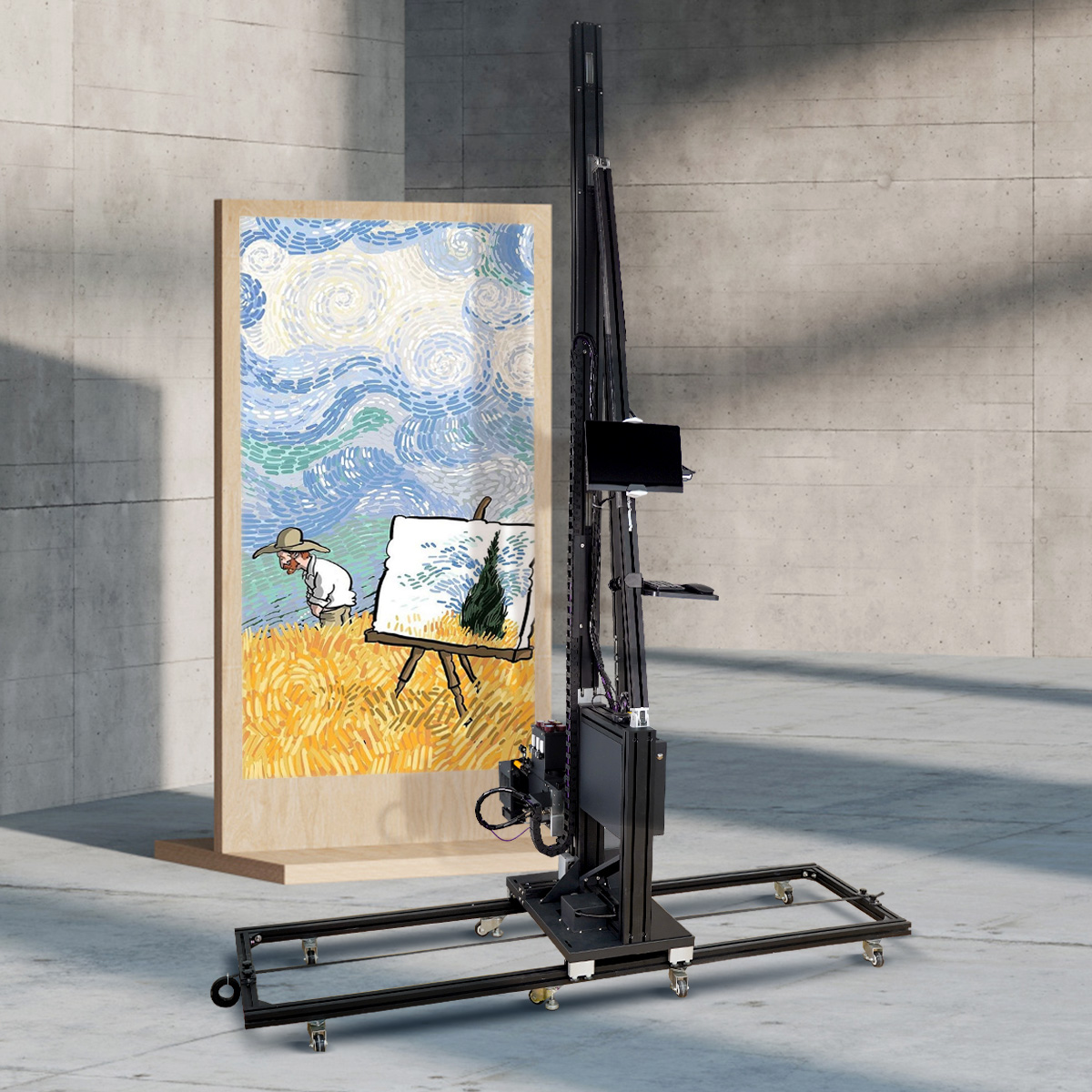
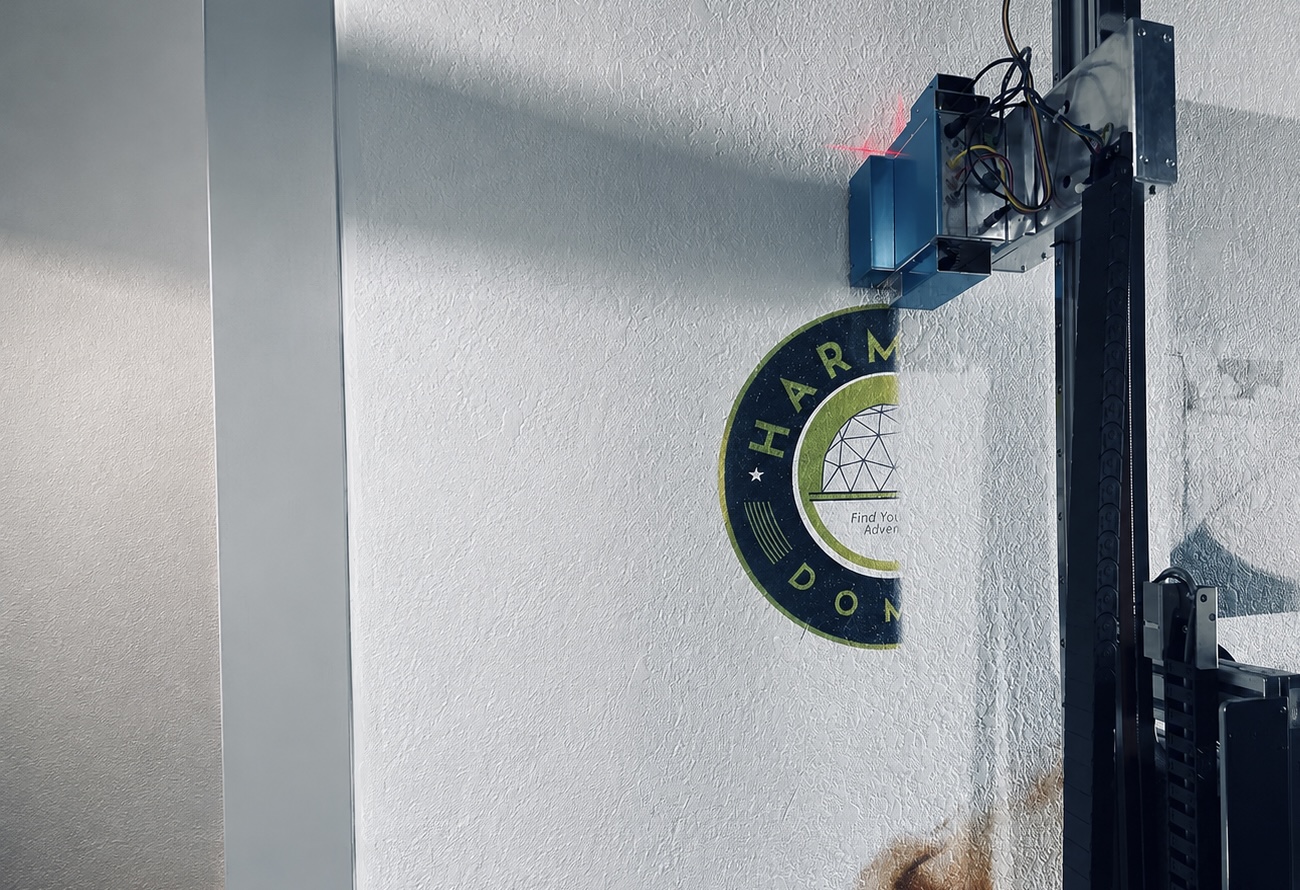
A wall printer typically costs between $2,500 and $60,000+ in 2026, depending on its printhead, ink system, production capacity, automation, and after-sales support.
However, the machine price is not the same as the amount required to start operating. Freight, import duties, ink, spare parts, software, training, and job-site accessories can increase your first-year investment by 30% to 50%.
A $9,000 wall printing machine, for example, may require a total budget of $12,000 to $20,000 before it is fully prepared for customer projects.
This guide explains the real wall printer price ranges in 2026, the additional costs buyers often overlook, and how to estimate whether the machine can generate a reasonable return on investment.
Wall Printer Prices At A Glance
Wall Printer Tier | Machine Price | Realistic Startup Budget | Best For |
|---|---|---|---|
Entry-Level | $2,500–$6,000 | $4,000–$9,000 | Beginners, side businesses, indoor murals |
Commercial | $6,000–$15,000 | $9,000–$22,000 | Full-time operators, decorators, small commercial projects |
Industrial | $15,000–$60,000+ | $20,000–$90,000+ | Large contractors, franchises, high-volume commercial work |
The commercial range between $6,000 and $15,000 is where many working wall printing businesses find the best balance between investment, application range, and production capability.
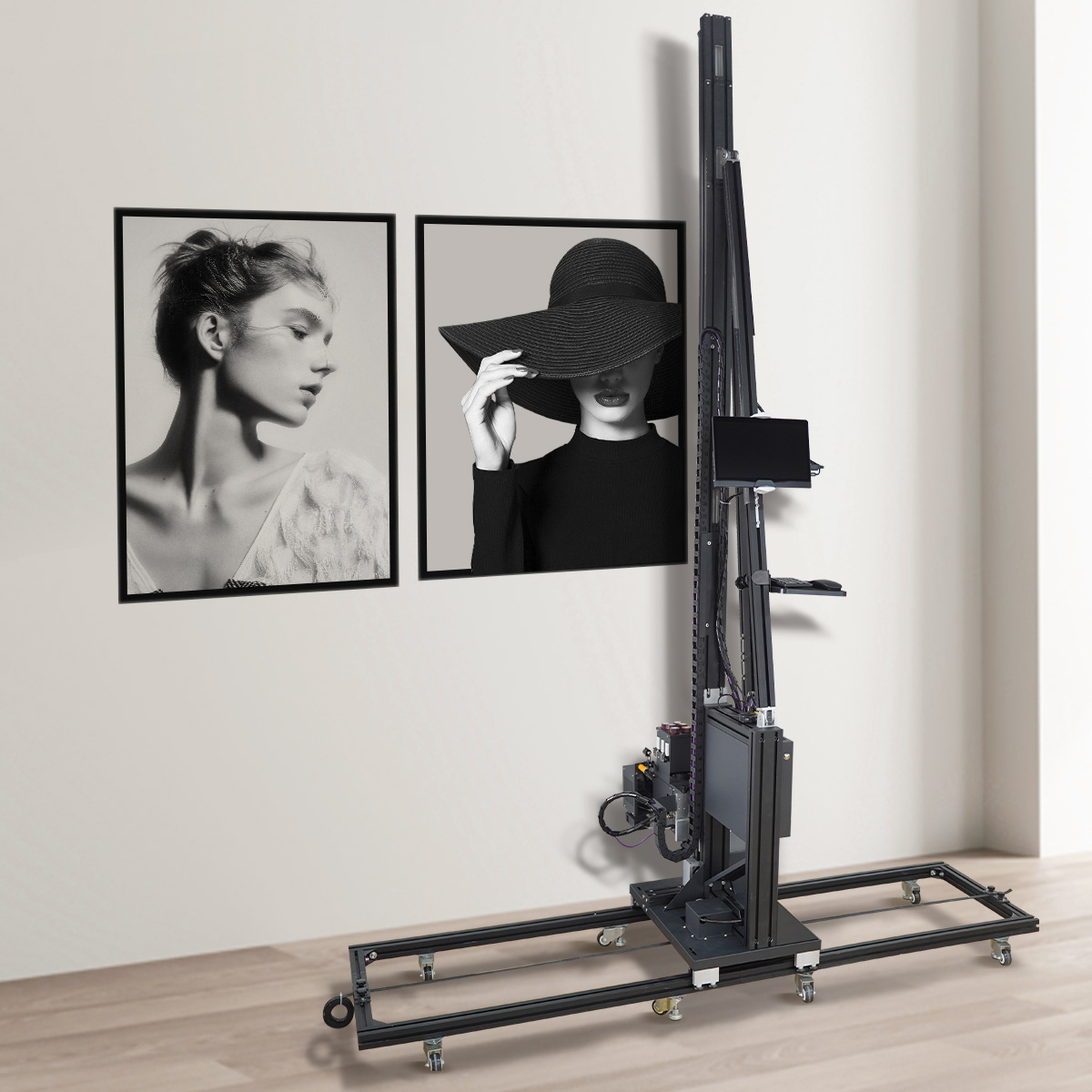
1. Entry-Level Wall Printer Cost: $2,500–$6,000
Entry-level wall printers are designed for buyers who want to test the market without making a large capital investment.
Machines in this category generally use a single Epson printhead and have simpler rail, calibration, and software systems. Some models use water-based ink for indoor walls, while newer entry configurations may offer basic UV printing.
They are best suited to smooth, prepared surfaces such as painted drywall, plaster, and residential interior walls. Typical applications include children's rooms, café feature walls, personalized home murals, and small promotional installations.
The lower purchase price comes with limitations. Operators may need to complete more manual calibration, work at lower quality-mode speeds, and spend additional time preparing rough or uneven walls. After-sales support may also be remote rather than local.
An entry-level wall printer machine makes sense when your goal is to build a portfolio, validate customer demand, and learn the workflow before upgrading. It is less suitable for businesses that already expect daily commercial production or frequent outdoor projects.
2. Commercial Wall Printer Cost: $6,000–$15,000
Commercial wall printers are the most practical option for many full-time operators, interior decorators, and small advertising companies.
This price range usually includes better Epson I1600 or I3200 printheads, more stable frames, UV ink options, automatic wall-distance sensing, and support for white ink. These improvements expand the machine's application range beyond standard indoor walls.
A commercial UV wall printer can typically handle painted walls, concrete, brick, wood, glass, tile, and other prepared materials. White ink is particularly valuable when printing on dark walls or transparent surfaces because it creates an opaque base beneath the color layer.
Machines in this category also tend to be more portable than large industrial systems, making them suitable for operators who travel between residential, hospitality, retail, and office projects.
For many buyers, this is the most balanced investment tier. The equipment is capable enough to support regular paid work without requiring the capital commitment of a premium European or North American system.
3. Industrial Wall Printer Cost: $15,000–$60,000+
Industrial wall printers are built for companies with established project demand, higher production targets, and less tolerance for downtime.
These systems may use dual or multi-head configurations, industrial Ricoh or Epson printheads, precision drive systems, automatic leveling, more advanced RIP software, and integrated color-management tools.
Premium systems from established Western brands can cost $40,000 to $60,000 or more. At this level, buyers are not only paying for hardware. The price may also include structured training, local service networks, faster parts availability, and more predictable technical support.
Industrial machines are most suitable for large advertising murals, hotel and retail installations, architectural projects, franchise operations, and businesses printing significant volume each month.
The higher investment only makes sense when the additional capacity will be used. A solo operator completing several residential jobs per month is unlikely to benefit from a $50,000 system. A contractor managing time-sensitive commercial projects may find the stronger support and lower downtime risk worth the premium.
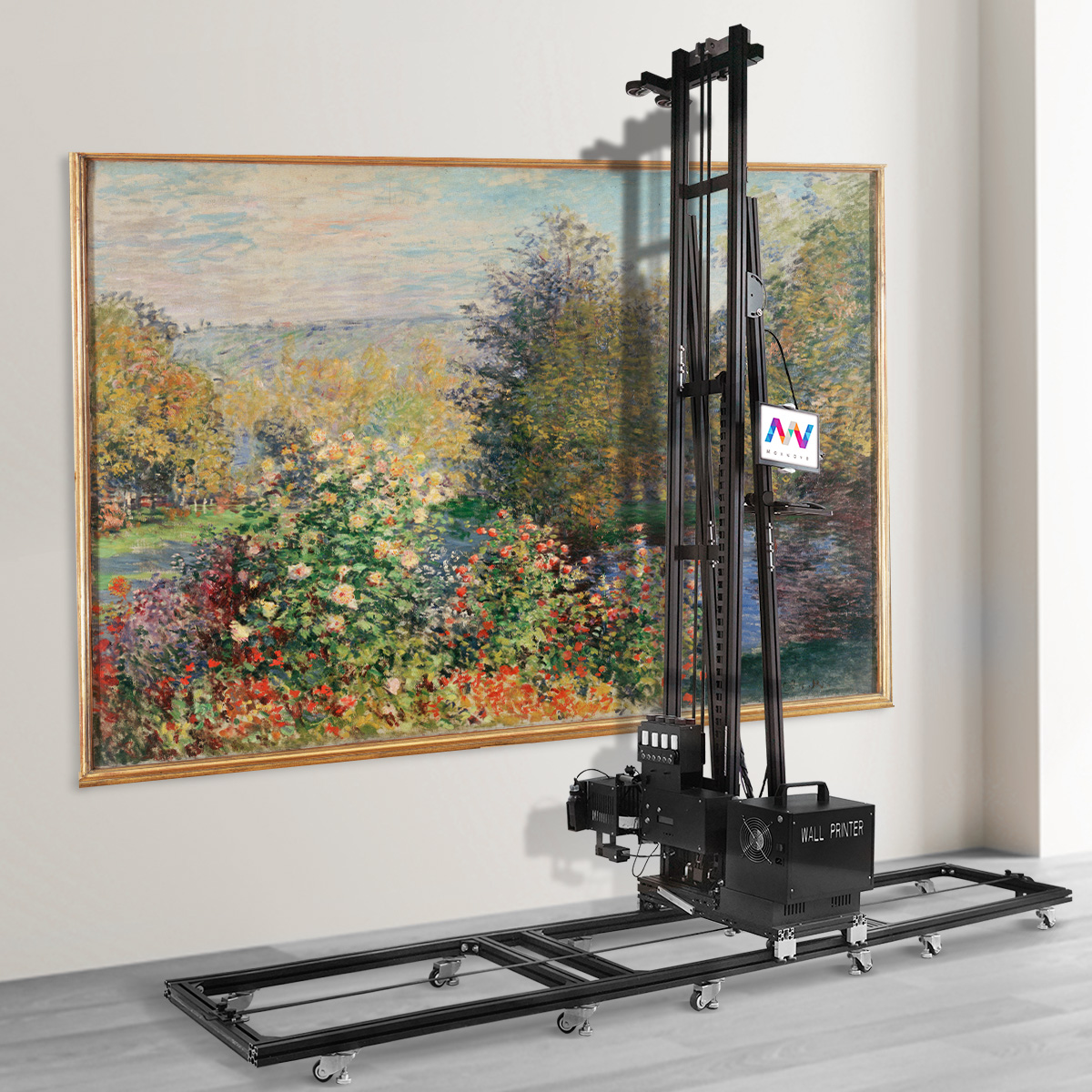
2026 Wall Printer Price Examples
The following figures show how several wall printer models are positioned across the current market. Actual quotations may vary by printhead, ink configuration, accessories, shipping destination, and training package.
Brand or Model | Typical Listed Price | Market Position |
|---|---|---|
Maxwave MW-UP200P | $4,380–$5,500 | Entry-level mobile projects |
Perfect Laser Series | $4,500–$14,000 | Entry to commercial configurations |
HAE / HJA Standard | $8,500–$11,000 | Budget-commercial applications |
Tudox Compact | $8,500–$12,000 | European indoor decoration projects |
Tanyu TWF1000 | $9,800–$12,000 | Wall-and-floor applications |
Friankor MK01 / MK02 Pro | $9,000–$15,000 | Portable commercial printing |
DXonJet VPJet 4.0 | $9,000–$15,000 | Mid-commercial UV printing |
TWP T-Series | $39,995–$44,995 | Premium turnkey operation |
wallPen E2 | $45,000–$60,000+ | Architectural and premium commercial murals |
Price alone does not show whether one machine offers better value. A lower-cost model may be more profitable for a startup, while a premium machine may justify its price through higher productivity, stronger service, and access to larger contracts.
What Is The Real First-Year Cost Of A Wall Printer?
The advertised wall printer price usually covers only the machine. To estimate your real investment, separate the costs into three groups.
Delivered Equipment Cost
The delivered cost includes the machine, international freight, import duties, customs clearance, brokerage, and last-mile delivery.
When a supplier quotes an EXW price, the buyer is responsible for nearly everything after the machine leaves the factory. Freight and import-related expenses can add approximately 10% to 25% to the purchase price.
A DDP quotation is easier to budget because duties and delivery are included, but you should still confirm exactly where the machine will be delivered and whether unloading is included.
Ready-To-Print Cost
Before accepting customer projects, you may also need ink, spare dampers, filters, a replacement printhead, RIP software, calibration tools, transport cases, voltage protection, track extensions, and operator training.
Ink normally costs approximately:
$0.15–$0.30 per m² for water-based systems
$0.60–$1.20 per m² for many UV systems
White ink, heavy image coverage, textured effects, and absorbent surfaces can increase consumption.
A spare printhead and basic replacement-parts kit may cost $300 to $1,800, depending on the printhead model and supplier. Software, setup, training, and mobility accessories can add another $1,000 to $5,000.
Business Launch Cost
Insurance, transportation, sample printing, portfolio photography, advertising, and customer acquisition are not part of the machine itself, but they still affect how much money is required to launch the business.
These expenses should be kept separate from the equipment cost. This makes it easier to see whether you are evaluating the machine investment or the complete wall printing business.
Example: The Real Cost Of A $9,000 Wall Printer
Consider a commercial wall printer quoted at $9,000 EXW.
Freight, duties, and delivery may add approximately $1,350 to $2,250. Initial ink, spare parts, setup equipment, software, and accessories may add another $1,500 to $5,000.
A buyer using remote training and basic support may therefore need around $12,000 to $15,000 to get started. A fully supported launch with on-site training, additional spare parts, and an extended service agreement could raise the first-year budget to $18,000 to $25,000.
This is why buyers should never compare wall printers using the machine quotation alone.
The most useful number is the total delivered and ready-to-print cost.
How Much Does A Wall Printer Cost To Operate?
Wall printer operating costs are generally low compared with the price charged for completed murals, but ink is not the only expense.
The main ongoing costs include ink, surface preparation materials, printhead maintenance, replacement parts, travel, labor, and customer acquisition.
Ink may represent only a small percentage of project revenue. For example, a mural sold for $70 per m² may use less than $1 per m² in ink under light-to-moderate coverage. However, the business must still account for design work, transportation, setup, wall preparation, printing time, and finishing.
A business with poor scheduling or frequent downtime can lose more money from missed projects than it spends on ink during the entire year.
For this reason, buyers should pay close attention to spare-parts availability, supplier response time, printhead warranty terms, and the simplicity of daily maintenance.
Wall Printer ROI: How Long Does It Take To Recover The Investment?
Wall printer payback depends primarily on three numbers:
Payback Period = Total Startup Investment ÷ Average Monthly Net Profit
The calculation should use net profit after labor, transport, marketing, ink, and maintenance—not total revenue.
Side-Business Example
Suppose an operator invests $12,000 and completes four smaller murals per month.
If the business generates approximately $2,000 to $3,000 in monthly net profit, the theoretical payback period is around four to six months.
In practice, the first few months may be slower because the operator is still learning, building a portfolio, and finding customers.
Full-Time Operator Example
A decorator or sign shop investing $15,000 to $22,000 may already have access to customers.
If wall printing produces $4,000 to $8,000 in monthly net profit, the equipment could theoretically recover its cost in approximately three to six months after reaching steady utilization.
Existing businesses often recover their investment faster because they are selling a new service to customers they already know.
Premium Project Studio Example
A design studio targeting hotel lobbies, corporate spaces, and retail installations may invest $25,000 to $45,000.
These businesses complete fewer projects, but each contract may be worth several thousand dollars. With a monthly net contribution of $5,000 to $10,000, payback may take approximately four to nine months after the sales pipeline becomes stable.
These examples are illustrations rather than guarantees. A wall printer that remains idle has no meaningful return, regardless of how low its ink cost may be.
Which Wall Printer Price Tier Should You Choose?
An entry-level wall art printer is appropriate when you are still testing demand, mainly printing smooth indoor walls, and expect only a few jobs each month.
A commercial wall printer is usually the better choice when wall printing will become a regular service, you need UV and white ink, or you want to work across residential and small commercial projects.
An industrial system makes sense when you already have recurring commercial contracts, expect high monthly printing volume, or cannot afford long interruptions caused by technical problems.
The right budget is not the highest amount you can afford. It is the amount that matches the projects you can realistically sell during the first 12 months.
Questions To Ask Before Comparing Wall Printer Quotes
Before choosing a supplier, confirm whether the quotation includes shipping, import duties, ink, software, training, spare parts, track extensions, and technical support.
You should also request a full quality-mode printing video rather than relying on maximum advertised speed. Ask the supplier to print on a surface similar to the materials used in your target market.
Finally, confirm the printhead warranty, replacement-part prices, technical response time, and whether software updates require additional fees.
Two machines with the same purchase price can have very different long-term costs once support and downtime are considered.
Conclusion
A wall printer can cost anywhere from $2,500 to more than $60,000 in 2026, but the machine price is only the starting point.
Entry-level systems provide a lower-risk way to test the market. Commercial machines between $6,000 and $15,000 offer the best balance for many active operators, while industrial systems are designed for companies that need higher capacity, automation, and technical support.
As a practical rule, prepare a first-year budget that is 30% to 50% higher than the machine price. Calculate your payback using realistic monthly order volume and net profit—not maximum advertised production figures.
The right wall printer is not simply the cheapest machine. It is the one that matches your applications, recovers its investment, and continues generating profit as your business grows.
Not sure which configuration fits your budget? Send us your target wall materials, expected project size, and monthly workload to receive a recommended wall printer setup, a complete delivered quotation, and a personalized ROI estimate.